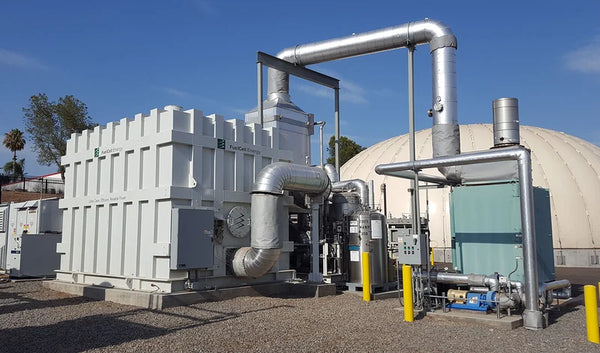
What Is Black Hydrogen?
Black hydrogen is produced through bituminous coal gasification, where coal reacts with steam and oxygen at high temperatures to generate synthesis gas that is later separated into hydrogen. Unlike green hydrogen made from renewables or blue hydrogen paired with carbon capture, black hydrogen is extremely harmful to the environment. According to the International Energy Agency (IEA), producing 1 kg of black hydrogen emits 22–26 kg of CO₂ equivalent, making it one of the most polluting forms of hydrogen.
Why Does Black Hydrogen Persist?
Despite its notorious environmental impact, black hydrogen continues to be used in countries with extensive coal infrastructure and weak regulatory enforcement. Key reasons include:
- Existing investments in railways, mines, coal-fired power plants, and coal-based hydrogen chemical industries make transitioning costly and complex.
- In regions with lax emissions regulation and no carbon pricing, black hydrogen appears artificially cheap.
- Industries such as ammonia and methanol production still depend heavily on fossil-based hydrogen.
Hidden Impacts and Societal Costs
The harm caused by black hydrogen extends far beyond direct emissions. Producing 1 kg of black hydrogen emits over 20 kg of CO₂, blatantly contradicting global climate goals. Coal mining contaminates water, soil, and air, while releasing methane and toxic metals. Ecosystems near mining sites suffer from degraded air quality and ecological disruption. Though black hydrogen may seem inexpensive, its hidden costs—health damage, environmental harm, and climate risks—ultimately burden society.
Pathways Toward Cleaner Hydrogen
Experts agree that phasing out black hydrogen is essential for a sustainable energy transition. This shift requires substantial policy and technological changes, including:
- Stricter enforcement of industrial emissions standards.
- Transparent hydrogen labeling based on production pathways.
- Fair carbon pricing mechanisms that reflect real societal costs.
- Redirecting investment into green hydrogen to scale clean and cost-competitive alternatives.
- Supporting coal-dependent regions with transition assistance and new livelihood opportunities.
- Strengthening international cooperation on standards, technology, and financing for a just transition.
Conclusion: A Critical Turning Point for Hydrogen
Black hydrogen is not a viable solution—it's an environmentally and economically costly mistake. Only by prioritizing sustainable policies and investing in green alternatives can the global community ensure hydrogen becomes a positive force in the clean energy transition rather than perpetuating pollution and long-term risk.