
Highlight 1
Modular & Scalable Design
- Unit capacity range: 250kWh – 5MWh
- Flexible expansion based on site requirements, reducing upfront investment pressure

The B250 / B3000 / B5000 series perfectly integrates high-efficiency batteries with hydrogen power generation. The B250 features a fridge-sized mobile power design with 250 kWh of scalable capacity on demand, offering plug-and-play deployment and seamless integration with fuel cells and renewable energy. We empower you to achieve maximum energy-saving arbitrage during off-peak hours, and by combining autonomous power technology that transcends capacity limits, we build uninterruptible, high-resilience microgrids for industrial zones and AI data centers.
Contact Our Specialist


Integrates with solar and wind power to balance intermittent supply and enhance overall renewable energy utilization.

Application Scenarios
The HESS (Hybrid Energy Storage System) can be deployed across both front-of-the-meter (utility-side) and behind-the-meter (customer-side) applications. Whether stabilizing renewable energy output, reducing industrial electricity costs, or serving as backup power for critical facilities, HESS offers flexible configurations to meet diverse site requirements.
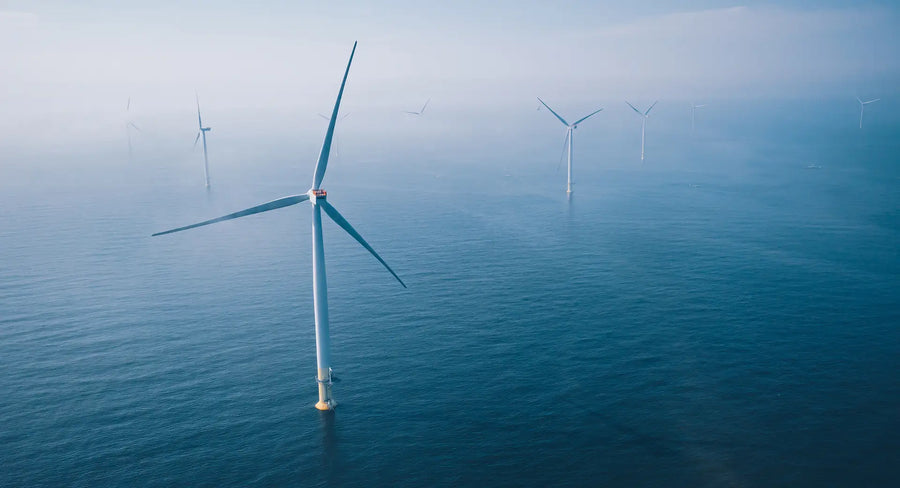
Energy storage systems effectively mitigate the intermittency of renewable energy. By storing excess power during off-peak periods and discharging it during peak demand, the system significantly enhances green energy utilization and reduces curtailment losses.

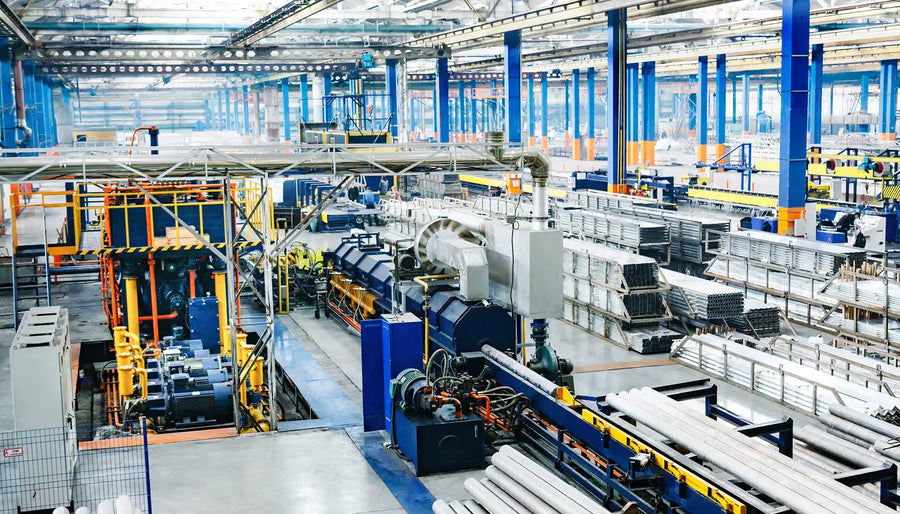
Utilized for "peak shaving and valley filling," the system charges during lower-cost off-peak hours and discharges during high-cost peak periods. This effectively reduces contracted capacity requirements, lowers electricity expenses, and ensures the stable operation of production lines.
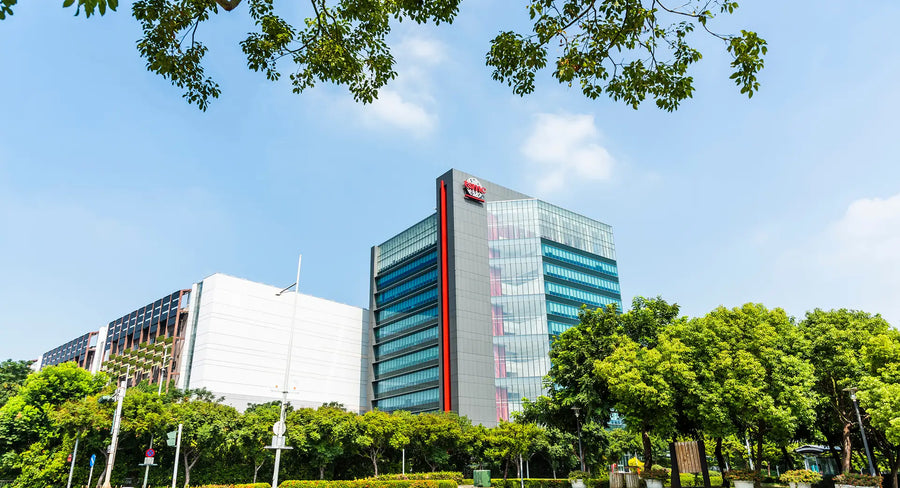
Serving as a highly reliable UPS (Uninterruptible Power Supply), HESS ensures continuous server operation during sudden outages or voltage abnormalities. Compared to traditional UPS, HESS offers a longer lifespan, lower maintenance requirements, and zero emissions.
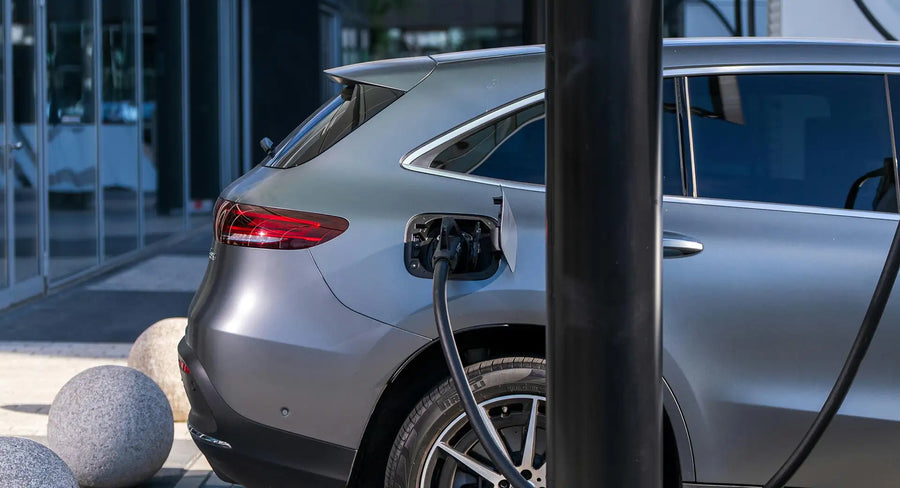
Short-term high demand at large-scale charging stations can cause grid instability and incur high peak demand charges. HESS absorbs these instantaneous high-power requirements, smoothing the load curve while reducing grid infrastructure investment costs.
Integrated with a Smart Energy Management System (EMS), the system automatically optimizes overall energy consumption. By dynamically dispatching storage resources based on electricity pricing, usage patterns, and renewable generation, it achieves minimized electricity costs and maximized energy efficiency.
View Full Specs
Enter your email to download the full HESS Energy Storage Module technical specifications and case studies.

Help & Support
We have compiled the most frequently asked questions from our clients. If you can’t find the answer you’re looking for, please feel free to contact our team directly.
HESS is suitable for industrial facilities, commercial buildings, data centers, healthcare institutions, transportation hubs, telecom base stations, and remote area microgrids. Any site with needs for backup power, peak shaving, or renewable energy integration is a good candidate.
HESS offers three main configurations: B250 (261.24 kWh), B3000 (1.5 MWh), and B5000 (5.015 MWh). Units can be deployed individually or expanded with multiple units depending on site requirements, covering a capacity range from 250 kWh to 5 MWh.
Yes. HESS supports integration with existing utility grid systems and is compatible with renewable energy sources such as solar and wind. Communication interfaces support RS485 and Ethernet, with protocols including Modbus RTU, Modbus TCP, MQTT, and IEC 104, offering high integration flexibility.
The B250 cabinet dimensions are 1000×1350×2180mm. The B3000 and B5000 are standard 20-foot container configurations, weighing approximately 2.6 tonnes, 30 tonnes, and 44 tonnes respectively. Both indoor and outdoor installation are supported, with the ability to withstand various climate conditions.
Yes. HESS supports fully automatic seamless switchover. The system operates through its built-in PCS (Power Conversion System) in conjunction with intelligent management modes:
Yes. HESS supports hybrid configurations combining solar, wind, and grid power. It enables peak shaving, frequency regulation, and voltage adjustment, balancing the intermittency of renewable energy generation and improving overall energy efficiency.
HESS uses lithium iron phosphate (LFP) cells with a design cycle life of 8,000 cycles (EOL capacity retention ≥70%) at 90% depth of discharge (DoD). Under normal usage conditions, charge/discharge cycles do not affect the warranty. Please contact our sales team for detailed warranty terms.
HESS uses lithium iron phosphate (LFP) cells, which have stable chemical properties and a significantly lower thermal runaway risk compared to other battery chemistries. The system features a three-tier BMS battery management system with multiple protection mechanisms including temperature control, overvoltage protection, and short-circuit protection. It is also equipped with smoke detection, combustible gas detection, and a fire suppression system, and has passed international safety certifications including IEC 62619 and UL9540A.
Yes. HESS is equipped with a cloud platform and indicator-based HMI, supporting real-time remote monitoring, performance analysis, and health reports, enabling administrators to track system status and make energy dispatch decisions.
Yes. HESS supports standard communication protocols including Modbus RTU, Modbus TCP, MQTT, and IEC 104, enabling integration with third-party EMS systems. Specific integration solutions should be confirmed with the technical team during the project planning phase.
HESS system planning complies with Taiwan's energy storage regulatory requirements and holds multiple international certifications including IEC 62619, IEC 63056, and IEC 62477-1. As Taiwan's energy storage regulations are continuously being updated, we recommend referring to the latest announcements from the Ministry of Economic Affairs Energy Administration and Taipower, or contacting us for the latest implementation guidance.
HESS adopts a modular architecture. The B5000 single-unit rated power reaches 2,400 kW with a maximum capacity of 5 MWh, and supports multi-unit expansion, making it suitable for large industrial facilities or infrastructure with high power demands. We recommend providing your power consumption data for a capacity assessment by our technical team.
Energy cost savings vary depending on each site's power consumption structure, electricity tariff rates, and system configuration. We recommend contacting our professional consultants for a calculation and assessment based on your actual power usage.
Battery replacement costs depend on system specifications and prevailing market prices. End-of-life batteries comply with RoHS and REACH regulations, and recycling will be handled in accordance with Taiwan's environmental regulations. Tellus Materials can assist customers in planning a compliant recycling process.
Yes. We provide comprehensive services covering power consumption analysis, capacity assessment, system design, and installation integration, helping customers plan the most suitable and cost-effective solution. Please contact us to arrange an initial consultation.
The system is equipped with a cloud monitoring platform to assist with initial status diagnosis. If an anomaly occurs, we recommend contacting the Tellus Materials technical support team first for remote diagnosis or on-site service by a professional technician to ensure repair quality and system safety. Self-disassembly or repair is not recommended.
We provide professional consulting services to help you find the best energy solutions. For more technical information, please fill out the form and let us know your requirements.
Hydrogen-powered,
the world is about to unfold