Project Overview: Major Gas Plant to Get Hydrogen Retrofit
The Los Angeles Department of Water and Power (LADWP) board has approved a controversial $800 million plan to convert part of the city’s largest natural gas-fired power plant, Scattergood Generating Station, into a dual-fuel facility capable of burning natural gas and at least 30 % hydrogen—with ambitions to run solely on green hydrogen as supply grows. This upgrade, targeted for completion by December 2029, is touted as essential to L.A.’s goal of achieving 100 % renewable energy by 2035. Under the plan, aging turbines dating from the 1950s will be replaced with modern combined-cycle units, allowing flexible operation and facilitating future integration of hydrogen energy sources. Scattergood is legally mandated to cease operations in its current form by 2029, and city leaders see this conversion as critical for system reliability and asset preservation during periods of peak demand, heat waves, and wildfires.
Hydrogen Power’s Promise and Practical Hurdles
Green hydrogen, produced through water electrolysis powered by renewable energy, is a centrepiece of L.A.’s decarbonisation ambitions. Unlike natural gas, hydrogen combustion doesn’t produce CO₂, positioning it as a cleaner alternative for grid-scale generation. City officials argue that Scattergood’s conversion signals L.A.’s readiness to lead on clean hydrogen and provides developers, suppliers, and investors with a strong market signal. However, environmental groups express skepticism, warning that the transition might merely extend reliance on fossil infrastructure. Critics highlight that the plant’s initial operation will likely be on pure methane, given insufficient hydrogen supply and unclear sourcing arrangements. Many also worry about the environmental justice impacts on communities near the plant, citing the risk of nitrogen oxide (NOx) emissions from high-temperature hydrogen combustion, and concerns about water consumption for hydrogen production.
Funding, Federal Policy Shifts, and Economic Uncertainties
A complex funding landscape surrounds the Scattergood project. Initially expected to receive federal support via California’s ARCHES hydrogen hub, the plan now faces budgetary challenges after the withdrawal of $1.2 billion in federal hydrogen investments and changes to tax credit deadlines. LADWP maintains that the project will proceed, fully funded through its power budget, although some critics contest the adequacy of budget forecasts. Additional costs are likely owing to tariffs on imported steel, aluminium, and turbine equipment. Legal and community advocates urge greater prioritisation of grid-connected renewable technologies like solar and battery storage — which are already expanding through projects such as the Eland solar-battery installation in Kern County — to reduce reliance on transitional natural gas infrastructure.
Environmental, Technical, and Grid Reliability Perspectives
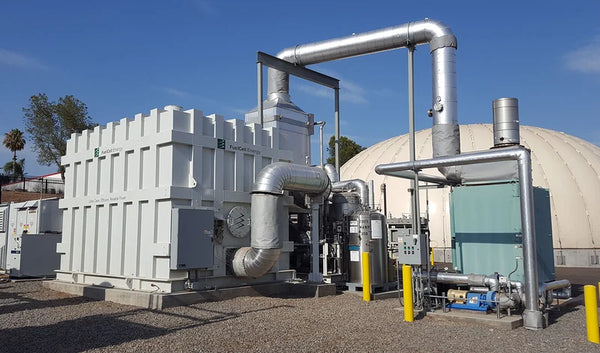
The technical feasibility and economic viability of alternatives to combustion-based resources at Scattergood are in question — especially given looming deadlines and the need for system resilience. According to analyses by the National Renewable Energy Laboratory and the landmark LA100 study, green hydrogen is a crucial component for maintaining reliability during times when solar and wind cannot meet grid demand. Infrastructure like Scattergood provides backup generation that enables deeper renewable integration and eventual decarbonisation of the city’s electricity portfolio. Some experts advocate for exploring hydrogen fuel cell solutions to eliminate NOx emissions, though such technologies currently face cost and deployment barriers.
Broader Impact and the Road Ahead
LADWP’s hydrogen conversion project highlights the complexity of achieving reliable, equitable, and resilient energy transition in major metropolitan areas. The city is rapidly moving toward clean energy milestones, discontinuing coal imports, and operating on an energy mix that is already about 60 % renewable. The Scattergood plan, while widely debated, is framed by supporters as “the final nail in the coffin” for natural gas generation — provided the city can eventually transition from methane to scalable green hydrogen. The future success of this strategy will depend on securing affordable hydrogen supply, managing environmental impacts, and balancing community concerns with system requirements. The challenges ahead are significant, but the decisions made around Scattergood will shape how Los Angeles, and the nation, approach the intersection of climate goals, energy reliability, and social equity.