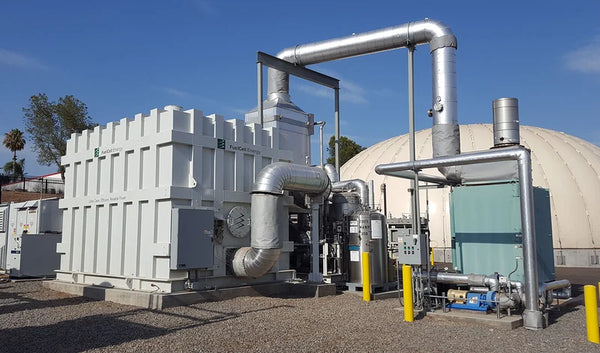
WUN H2 Green Hydrogen Demonstration Plant Case Study (Wunsiedel, Germany)
WUN H2, located in Wunsiedel, Bavaria, Germany, is one of Germany's most representative green hydrogen demonstration projects. With an installed capacity of 8.75 MW and Siemens serving as EPC contractor and co-operator, this project is powered by 100% renewable energy and utilizes PEM electrolysis technology. It produces up to 1,350 metric tons of green hydrogen annually and reduces approximately 13,500 metric tons of CO₂ emissions per year.
This case study demonstrates how Siemens leverages digital twins, engineering integration, automation control, and energy management platforms to build a hydrogen plant capable of highly dynamic operations, market responsiveness, and scalability. The Wunsiedel Energy Park is regarded as a model for municipal-level energy transition in Europe and can serve as a template for large-scale replication.
1. Project Background and Objectives
The core objectives of the WUN H2 plant include:
1. Utilizing surplus solar and wind power from the region to produce green hydrogen.
2. Providing zero-carbon fuel for regional industry, transportation, and municipal sectors.
3. Stabilizing local grid loads through green hydrogen energy storage.
4. Establishing a replicable, operable, and financeable hydrogen business model.
Wunsiedel decision-makers aimed to create a "semi-autonomous renewable energy city" through the integration of green hydrogen production, energy storage, and grid management. This approach alleviates grid pressure in southern Germany and paves the way for future hydrogen-powered heavy industry and long-haul transportation.
2. Siemens' Role and Technology Integration
Siemens plays multiple roles in this project:
EPC: Complete engineering, procurement, and construction.
Automation control: Using SIMATIC PCS 7 to provide control for electrolysis, compression, hydrogen storage, loading/unloading, and safety systems.
Digital twin: Virtual models predict optimal operating periods and maintenance requirements.
Energy management: Integration with electricity markets (including intraday price trading), dynamically adjusting hydrogen production based on renewable energy supply.
Financial participation: Siemens Financial Services holds a 45% equity stake, making it a sustainable and scalable investment model.
This digital integration enables the plant to operate at high capacity when electricity prices are low and green power is abundant, while reducing load when the grid is strained. This makes hydrogen production complementary to electricity markets.
3. Operating Model and Benefits
WUN H2's operational benefits include:
Annual production of 1,350 metric tons of green hydrogen for industry, logistics fleets, and hydrogen trucks.
Annual CO₂ reduction of 13,500 metric tons, serving as a low-carbon benchmark in Europe.
Improved grid stability and reduced renewable energy curtailment.
Providing green alternative fuel for regional chemical, metalworking, and transportation sectors.
Establishing a replicable "municipal-level hydrogen business model" applicable to other EU cities.
Siemens' digital twin-led automation integration enables the entire plant to achieve high availability, low labor costs, and predictable maintenance capabilities, making green hydrogen production more economically viable.
4. Future Outlook
The Wunsiedel plant is considered one of the core case studies driving the "hydrogen economy" in Germany and the EU. Future capacity can be expanded to 20–30 MW and integrated with additional hydrogen application scenarios, such as regional hydrogen pipelines, heavy industry fuel substitution, and hydrogen energy storage power plants.
WUN H2 has demonstrated a key message: renewable energy + digital twin + hydrogen energy storage can make local energy systems more stable, lower carbon, and equipped with commercially viable long-term operating models.
Figure 1: WUN H2 electrolyzer module (Siemens PEM system)
Figure 2: Wunsiedel green hydrogen plant and energy park (aerial view)