Project Scale & Global Leadership
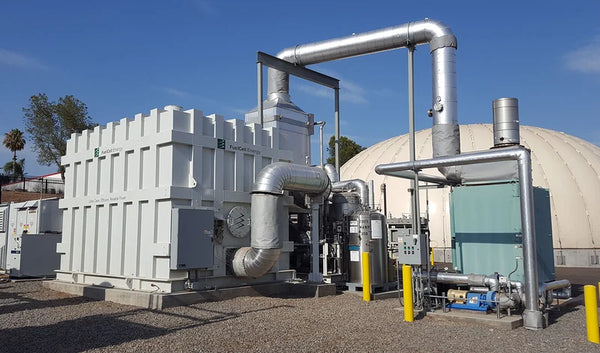
Japanese energy firms Inpex and Osaka Gas announced the startup of their Nagaoka methanation demonstration facility. Described as the "world's largest-class" facility, it processes 400 normal cubic metres of CO₂ per hour, producing 2,500 tonnes of synthetic methane annually. This output exceeds Germany's Hy2gen Atlantis plant (1,800 tonnes/year), the previous industry leader—a 39% capacity advantage.
Operating Mechanism & Infrastructure Integration
Located at Inpex's Nagaoka field office adjacent to the Koshijihara natural gas processing plant, the facility sources CO₂ from this existing processing center. Produced e-methane flows back into the Koshijihara station and subsequently enters Inpex's existing natural gas pipeline network. The Koshijihara plant processes 4.2 million cubic metres of natural gas daily; the demonstration project represents a minor fraction of total throughput.
Critical Gap: Green Hydrogen Source Transparency
Despite claims of green hydrogen use, Inpex and Osaka Gas have not disclosed specific sourcing details. In contrast, Hy2gen operates a dedicated 6.3MW on-site electrolyser and holds "renewable fuel of non-biological origin" certification. This transparency disparity raises market confidence concerns.
Economic Viability & Technical Challenges
Industry critics highlight significant energy losses throughout the electrolysis and methanation cascade, resulting in high final product costs. Additionally, the technology perpetuates dependence on legacy fossil gas infrastructure, creating "lock-in" risk—capital committed today may forestall transition toward cleaner energy pathways.
Tellus Materials Energy Technology Perspective
Scale Achievement & System Integration Value: This project validates large-scale synthetic methane production feasibility and seamless integration with existing energy infrastructure. From equipment manufacturing and systems integration standpoints, this represents a major advance in energy storage and conversion technology.
Urgency of Green Hydrogen Verification: As hydrogen technology specialists, we emphasize transparent hydrogen traceability as essential. We recommend adoption of international standards (e.g., EU-RED) with public disclosure of electrolyser specifications and renewable energy sources to strengthen market confidence and policy support.
Efficiency Optimization Opportunity: Energy losses in the electrolysis-to-methanation cascade represent the primary pain point, creating substantial market demand for high-efficiency equipment: PEM electrolysers, advanced methanation reactors, and integrated thermal management systems.
Technology Roadmap Considerations: While e-methane serves existing gas infrastructure during transition, long-term strategy should embrace diverse pathways—direct hydrogen applications, battery storage, and power-to-X diversification—to avoid over-reliance on single-technology solutions.
Conclusion: This project marks a pivotal industrialization milestone for hydrogen energy. Replicability as a global template requires operational transparency and published efficiency metrics.