Main Headline
Microsoft has entered a seven-year agreement to procure green hydrogen-based steel for its data centres. While Microsoft won’t directly purchase the steel, it will acquire green certificates on behalf of its data centre equipment suppliers, who will use the low-carbon steel in their hardware.
Deal Structure & Strategy
- Green Certificates & Indirect Procurement
Under the deal, Microsoft isn’t taking ownership of the physical steel itself. Instead, it will buy certificates that validate the steel’s green hydrogen origin. The actual steel purchase and deployment will be done by the companies producing data centre infrastructure (e.g. servers, racks) that Microsoft contracts with. This model allows Microsoft to drive demand for greener steel production without micromanaging supply chains.
This mechanism resembles renewable energy certificate (REC) approaches used in clean electricity markets, adapted here for industrial materials. It gives Microsoft influence and incentives in the steel value chain. - Why Green Hydrogen Steel Matters
Traditional steel production is carbon-intensive, largely relying on coal or natural gas in blast furnaces or basic oxygen furnaces. Green hydrogen steel (often via direct reduction iron (DRI) or other novel pathways) uses hydrogen produced from renewable energy (i.e. “green hydrogen”) as a reductant instead of fossil fuels. This can sharply reduce CO₂ emissions from steelmaking.
By aligning its data centre hardware supply chains with green steel procurement, Microsoft is pushing sustainability goals deeper into its upstream industrial inputs, beyond just electricity and data centre operations.
Broader Context & Motivation
- Microsoft’s Clean Energy & Data Center Initiatives
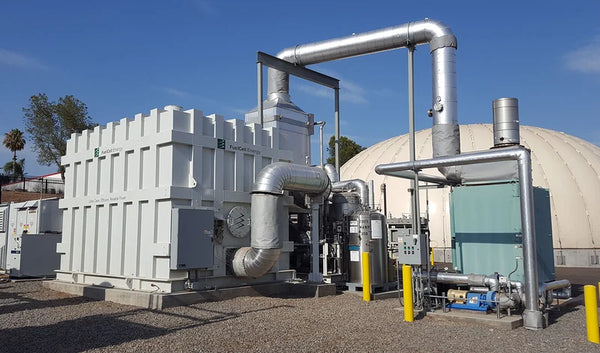
Microsoft has increasingly integrated clean energy in its infrastructure. For example, in 2024 it launched a pilot with ESB in Ireland to supply up to 250 kW of green hydrogen fuel cell power to a data centre control building, replacing diesel backup generation.
The steel deal represents another frontier in decarbonization—not just powering loads cleanly but ensuring the physical materials used are also low-carbon. It signals that Microsoft sees embodied emissions in its data infrastructure as a target area.
- Supply Chain Leverage & Market Signaling
This agreement leverages Microsoft’s large scale and procurement power to send a market signal: demand exists for green hydrogen–derived steel. The deal could encourage steel manufacturers to invest in green hydrogen production, low-carbon DRI technologies, and certifications.
By purchasing green certificates, Microsoft de-risks the supply chain for its partners: they can adopt greener steel processes with confidence that demand and credit support will be available.
Opportunities, Challenges & Considerations
Opportunities
- Decarbonizing embedded emissions: Moves beyond operating emissions to target the carbon footprint embedded in materials.
- Scaling green steel: Encourages industrial adoption of hydrogen-based steelmaking and economies of scale.
- Credibility & ESG leadership: Differentiates Microsoft as a company that uses influence to drive upstream transformations in heavy industry.
Challenges
- Verification & certification: Ensuring that green hydrogen usage is genuine and traceable in steel production.
- Cost premium: Green hydrogen steel may carry higher costs initially versus conventional steel.
- Supply availability: Green hydrogen infrastructure and green steel capacity are still nascent globally. Matching demand and supply over a multi-year horizon can be tricky.
- Carbon accounting clarity: Auditing embodied emissions, attribution of certificate claims, and avoiding double counting are complex in industrial materials.
Outlook & Implications
Microsoft’s seven-year green hydrogen steel deal is a pioneering move that expands corporate environmental ambitions into heavy industrial sectors. By leveraging certificate structures, Microsoft can influence supplier behavior without direct raw material procurement. If successful, this model could be replicated by other large tech, industrial, or infrastructure companies seeking to decarbonize not just operations but embedded emissions in their supply chains.
Over time, such efforts may help scale green steel production and hydrogen demand, improving economics and accelerating broader industrial decarbonization. But much depends on robust verification, scaling capacity, and managing cost curves. This deal suggests a future where “clean steel” becomes a key pillar of sustainable infrastructure—not just in energy, but in the very materials we build with.