Hydrogen’s Strategic Role in Decarbonization
As the automotive industry races toward battery electric vehicles (BEVs), Toyota is making a calculated and strategic bet on hydrogen fuel cell technology, viewing it as a complementary pillar rather than a competing force. Toyota recognizes that while BEVs are ideal for many passenger applications, hydrogen fuel cells offer unique advantages for vehicles that require long driving ranges, rapid refueling, and robust performance under heavy loads. This makes hydrogen especially well-suited for heavy-duty trucks, buses, commercial fleets, and other industrial vehicles where battery weight and charging times present significant constraints.
Next-Generation Fuel Cell Advancements
Toyota is advancing its third-generation fuel cell technology with significant improvements in power density, durability, and overall cost-efficiency, anticipating commercial integration by the later 2020s. This evolution aims to make fuel cell systems more compact and affordable, broadening their applicability beyond niche markets to mainstream passenger vehicles and, crucially, to the heavy vehicle segment. Toyota points to hydrogen’s fast refueling—typically under 20 minutes—as a distinct advantage over battery electric trucks that may require hours to recharge, minimizing logistics downtime and extending operational range.
Building a Hydrogen Ecosystem through Collaboration
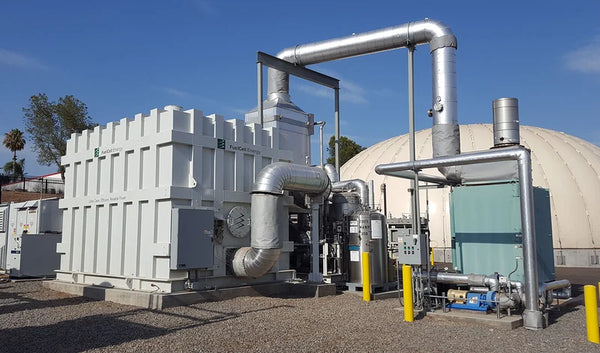
Recognizing that widespread adoption hinges not only on vehicle availability but also on fueling infrastructure, Toyota is proactively collaborating with other automakers, fuel suppliers, and key stakeholders to establish common standards and accelerate the global rollout of hydrogen stations. Toyota’s Chief Engineer of Advanced Mobility, Jay Sackett, stresses that cooperation is essential to overcoming today’s fragmented market, which slows fuel cell adoption. Initiatives such as the Tri-Gen project in Long Beach—which produces green hydrogen from renewable energy—demonstrate Toyota’s commitment to developing an integrated hydrogen ecosystem while reducing fleet carbon footprints.
Market Dynamics and Adoption Challenges
Though BEVs dominate the global light-duty market, Toyota believes hydrogen fuel cells remain indispensable for sectors constrained by battery energy density and charging infrastructure limitations. Policy support, improving fuel-cell economics, and sustained investment in hydrogen infrastructure will be critical to unlocking hydrogen’s potential across heavy transport, maritime, rail, and stationary power applications. Toyota’s strategy embraces a diversified decarbonization model—hydrogen, electrification, biofuels, and synthetic fuels—to create a resilient path toward clean mobility.
Long-Term Vision for a Carbon-Neutral Society
Toyota envisions hydrogen as a foundational pillar of a sustainable, carbon-neutral economy—enabling energy storage, grid balancing, and decarbonized mobility. This outlook aligns with global industry trends and government efforts to reduce emissions across all sectors. Through ongoing investment in fuel-cell innovation, infrastructure partnerships, and market development, Toyota aims to secure hydrogen’s role as a scalable clean-energy solution well into the mid-21st century.
In conclusion, Toyota’s progressive hydrogen strategy reflects a balanced approach that leverages the complementary strengths of fuel cells and battery technologies, positioning the company as a leader in the future of clean mobility and sustainable energy.