What Is Energy?
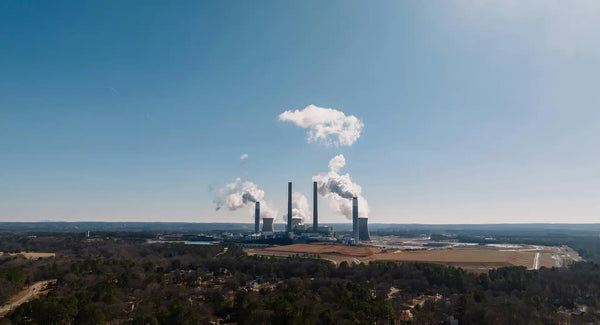
Making fire by rubbing sticks together is perhaps the oldest application of energy you know. Human kinetic energy converts into heat, which then ignites wood as fuel. Over time, the fuel changed from wood to coal, then to oil and natural gas. These fuels are humanity's source of energy — in other words, energy resources.
When human labor ignites wood, it is the wood itself — as fuel — that sustains the energy. From a scientific perspective, this is simply:
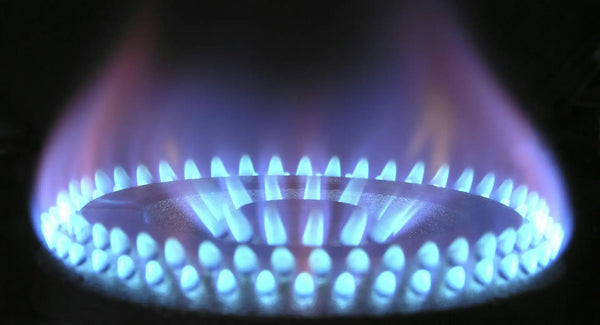
The combustion reaction between carbon and oxygen releases heat energy through burning. The reactions for wood, coal, and oil are essentially the same. Natural gas is not far off either:
From This Perspective, What Is Hydrogen Energy?
Viewed through the same lens, hydrogen energy is essentially:
If you replaced the natural gas in your kitchen with hydrogen, you could still cook. The difference is that hydrogen doesn't exist the way natural gas does. To this day, there is no such thing as "mined" hydrogen.
The sharp-eyed reader may have already noticed: burning hydrogen produces no carbon dioxide. In today's terminology, hydrogen combustion itself is carbon-free.
Indeed, zero carbon is one of the reasons to embrace hydrogen energy. That said, I view it as an outcome rather than the motivation — a point we'll explore in a future discussion.
Combustion Is Only One Way
Hydrogen energy isn't limited to combustion. In fact, burning hydrogen may be the least practical option. Traditional combustion inevitably involves energy loss — heat that cannot be fully utilized, or mechanical energy that escapes. Imagine if all the heat from your stove went directly into your food; the kitchen would stay perfectly cool. Or consider a gasoline engine that never heats up — in that case, you wouldn't need a radiator at all.
The most common way to use hydrogen energy is through an electrochemical process that converts chemical energy directly into electrical energy. The reaction remains:
The difference is that energy is released as electricity. The device that does this is traditionally called a "fuel cell." It must be said that this name causes considerable confusion. At first glance, translating "fuel cell" literally seems perfectly reasonable. The problem is that the word "fuel" immediately evokes the idea of burning — which is exactly what a fuel cell does not do.
A fuel cell carries no fuel of its own — it is simply a device that produces electricity when hydrogen and oxygen pass through it. Strictly speaking, it isn't a battery in the traditional sense either. What makes this even more problematic is that, in a world where hydrogen energy is still poorly understood, shipping companies often ask: what is the fuel? Is it dangerous? Little do they know, the device itself does not combust.
The application of hydrogen energy dates back to humanity's first moon landing mission. The electricity on board the spacecraft came from hydrogen fuel cells. And yes — beyond hydrogen, other chemical substances can also serve as the "fuel," or more accurately, the feedstock, for a fuel cell.

Generating electricity from hydrogen is the power model behind hydrogen fuel cell vehicles. The difference between a hydrogen vehicle and an electric vehicle lies in the source of electricity. At their core, both are vehicles driven by electric motors.
This article is published by the Tellus Materials editorial team. Tellus Materials specializes in hydrogen energy and energy storage solutions, and is committed to driving Taiwan's energy transition.